Watch this video to learn the risk factors for stroke, and find out how to help reduce stroke risk.
Watch this video to learn how to recognize stroke symptoms and know when to call for emergency services.
Watch this video to learn the symptoms of a stroke and know when to call emergency services.
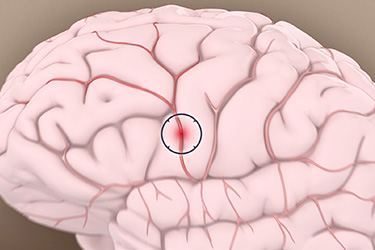
Watch what happens in the brain during a hemorrhagic stroke, its symptoms, and the importance of calling 911 if you think someone may be having a stroke.
Watch what happens in the brain during an ischemic stroke, its symptoms, and the importance of calling 911 if you think someone may be having a stroke.
Learn what a TIA is, how it is a serious warning sign for a stroke, and the importance of calling 911 if someone is showing the signs of having a TIA.
Watch this to learn about three different types of strokes.
Most strokes are preventable, learn how to lessen your risk.
Having a stroke can change many things in your life. Learn about the common effects of stroke.
Understand the controllable and uncontrollable risk factors that increase your chance for having a stroke.
Learn how exercise can help your recovery from stroke and lessen your chance for a future stroke.
Watch this video to learn about what a stroke is, how it affects the brain, and why it's important to get medical help right away.
Watch this video to learn about having a procedure to help prevent a stroke.
Watch this video to learn about treatment options for stroke prevention when you have a narrowed carotid artery.
Watch this video to learn the basics about a stroke.
Watch this to learn what happens in the body when you are having a stroke.
Learn how to B.E. F.A.S.T. when recognizing a stroke.
Learn how to recognize the signs of a stroke.
Learn what ischemic strokes are and how they are treated.
Learn what hemorrhagic strokes are and how they are treated.
Learning to recognize stroke symptoms, or the symptoms of a transient ischemic attack, can help to lessen the damage for you or someone else.
Many heart attacks and strokes are caused by blood clots that block the flow of blood to the heart or brain. In these cases, rapid intervention from a medical professional with a clot-dissolving drug can reduce the damage caused by the blood clot.
Watch this video to learn how a thrombectomy can treat a stroke.
Watch this video to understand why antiplatelet medicine is prescribed after a stroke and why it's important to take it.
Learn which medications are used to treat stroke and help reduce the risk of a future stroke.
Learn what a stroke is and the importance of getting help right away.
Listen to a stroke patient's story to learn how he overcame obstacles in his physical and emotional recovery process.
Watch this video to learn how blood thinners can help prevent another stroke.
Watch this video to learn what a carotid endarterectomy is, how it is done, and how to prepare.
Watch this video to learn self-care instructions after a carotid endarterectomy.
Watch this video to learn what carotid artery stenting is and how it's done.
Watch this video to learn self-care instructions after receiving a carotid artery stent.
Watch this video to learn how to use a care plan to manage care after a stroke.
Watching this will show how a stroke recovery plan can help guide your care after suffering a stroke with the goal of regaining any lost function and reducing your risk of experiencing another stroke.
Many people will help with your recovery. Watch this to understand who makes up your recovery team.
When you have a stroke, it also affects the people that love and support you. Learn how a stroke may affect your caregivers, and what steps you can take to support them.
Watch this to learn how a stroke can affect how someone moves, thinks, and feels.
After a stroke, you may have problems doing daily activities. Watch this to learn the benefits of stroke rehab.
Learn how support groups can help stroke survivors and caregivers.
Watch this video to learn the basics of a stroke rehab program, including the benefits of it.
Watch this video to learn about the range of emotions you may experience after having a stroke.
Watch common strategies that can help patients and caregivers deal with the feelings and frustrations often experienced with stroke.
Learn about how it is decided by you and your care team and what is the best place for you to go to continue your recovery after leaving the hospital.
Learn what resources may be available to help you with your medical bills.